
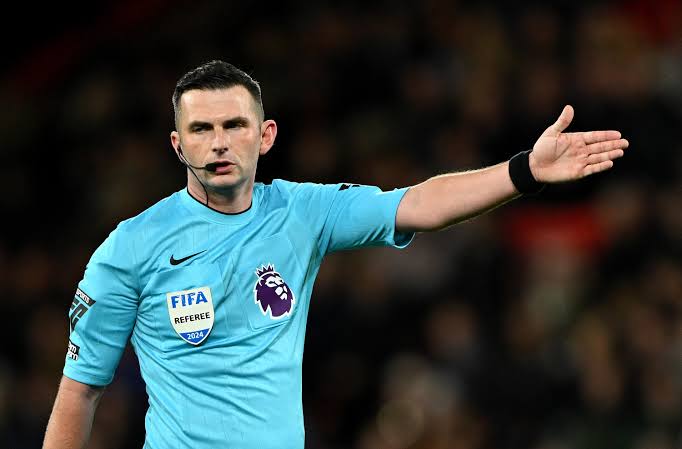
The Premier League is rolling out updated refereeing directives for the 2026/27 campaign to boost match fluidity, curb gamesmanship, and maintain competitive integrity. Developed in collaboration with PGMOL and IFAB, these revised standards instruct match officials to take a firmer line on several key areas of play.
Key Premier League Officiating Changes for the 2026/27 Season
1. Cracking Down on Box Holding
Match officials are under orders to penalize excessive grabbing and blocking, particularly during corners and set-pieces. Defenders who prioritize wrestling opponents over competing for the ball will face harsher consequences, which is expected to lead to a noticeable rise in awarded free-kicks and spot-kicks.
2. The Outfield Penalty for Goalkeeper Stoppages
To prevent teams from using tactical injury timeouts, a new directive targets goalkeepers. Should a keeper require on-field treatment for a minor issue, one of the team’s outfield players must temporarily step off the pitch for at least 60 seconds once play resumes. This restriction will be waived for head traumas, severe collisions, open wounds, or critical medical emergencies.
3. Zero Tolerance for Delaying Restarts
Referees are taking a much stricter approach to time-wasting tactics. Players who intentionally delay goal kicks, set-pieces, or throw-ins will face immediate discipline. Furthermore, officials will rigorously add accurate injury time to compensate for any late-game delays.
4. Mandatory One-Minute Medical Wait
Outfield players who receive medical attention on the pitch must now stay on the sideline for a full minute before being cleared to rejoin the match, subject to standard exemption criteria.
5. Explicit Penalties for Hair-Pulling
The updated rulebook now explicitly addresses hair-pulling incidents. A deliberate tug on an opponent’s hair will draw an automatic booking, while high-impact or violent instances will warrant a direct red card.
6. Refined VAR and Offside Operations
Video Assistant Referee protocols have been adjusted to streamline decision-making and minimize delays. The continued integration of semi-automated offside tech will assist officials in making faster, highly accurate calls to keep the game moving.
Follow our social media accounts; X and Youtube.

