

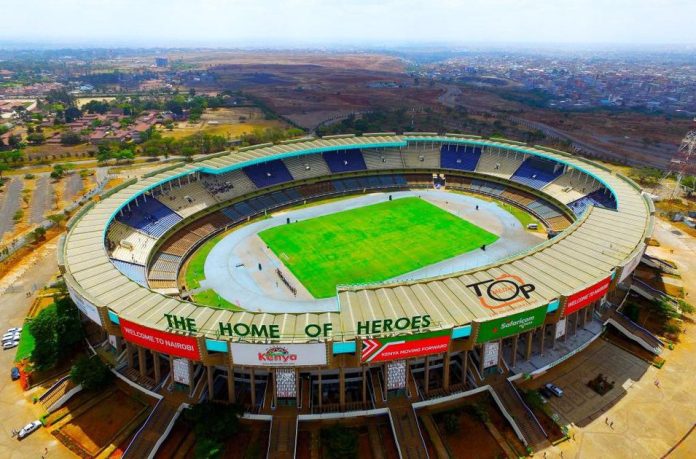
The ability of certain urban centers to consistently attract major global Sports and Entertainment events is no accident. It is the result of deliberate strategic planning, advantageous geographic positioning, and deep cultural cultivation.
Understanding how urban infrastructure evolves into an economic powerhouse requires examining the intricate relationship between logistical development, tourism, and the entertainment industry.
Key Pillars of a Major Sports and Entertainment hub
Establishing a premier destination for large-scale sporting and entertainment events demands extensive structural advantages. Major metropolises like London, Los Angeles, and Tokyo have spent decades developing the prerequisite framework:
- Advanced Infrastructure: Modern stadiums, high-capacity international airports, and resilient public transportation networks.
- Extended Entertainment Ecosystems: Diverse recreation, dining, and leisure options that encourage visitors to spend beyond standard ticket and accommodation costs.
- Long-Term Capital Commitment: Multi-decade funding programs that view athletic venues as permanent civic assets rather than temporary expenditures.
Note: The financial success of an event often extends to secondary leisure industries. Visitors frequently explore nearby hospitality, entertainment, and leisure options, generating auxiliary revenue streams for local businesses.
Global Recognition and the Digital Landscape
Hosting marquee tournaments elevates an urban center’s international profile among global broadcasters and travelers. In the modern era, digital accessibility – such as mobile applications, dedicated streaming platforms, and international fan portals – allows tournaments to expand their audience footprint far beyond the physical stadium seats.
However, one-off media coverage does not guarantee sustained relevance. Cities like Doha, Melbourne, and Barcelona maintain their status because they demonstrate consistent reliability to international sports federations over many years, turning institutional reputation into an enduring asset.
Characteristics Shared by Leading Sports Cities
While elite host cities have diverse origins, they share several core practical traits that reinforce their competitive edge:
| Trait | Description | Example City |
| Transport Access | Reliable airports and highly efficient public transit networks | Tokyo |
| Venue Capacity | Multiple multi-use stadiums capable of hosting diverse sports | London |
| Hospitality Network | Robust hotel infrastructure to accommodate international tourists | Barcelona |
| Government Support | Coordinated public assistance and streamlined bureaucratic execution | Doha |
Culture, Community, and Long-Term Value
Beyond logistics, a city’s cultural identity serves as a powerful magnet for event organizers. Historical fan culture, legacy sports clubs, and previous Olympic participation give cities like Manchester and Madrid an authentic atmosphere that cannot be manufactured overnight.
Furthermore, smart urban planning prevents venues from becoming abandoned white elephants. By ensuring that stadiums integrate seamlessly into daily civic life – such as Barcelona’s enduring Olympic sites – cities turn high initial costs into lifelong community benefits.
Grassroots Talent and Economic Integration
True sports capitals do more than host traveling spectacles; they nurture athletic talent. Robust youth training facilities and local academies create a direct pipeline to professional leagues. This localized sports culture creates an emotional bond between residents and athletic events, keeping civic interest alive even during years when no major international tournaments take place.
Economically, successful tournaments trigger a surge in local commerce, boosting sales for restaurants, retail shops, and transit providers. Billions of dollars in direct and indirect spending help justify the heavy upfront costs, provided the host city manages resources efficiently.
Read Also: How Sporting Directors Create Winning Team Rosters
Environmental, Social, and Technological Factors
Modern sports hosting requires a forward-thinking approach to sustainability and community wellbeing. Today’s international federations weigh public sentiment and logistics equally, evaluating cities based on strict criteria:
- Sustainability Standards: Measurable targets for renewable energy usage and waste reduction at event venues.
- Community Access: Guarantees that local residents retain affordable access to public athletic facilities.
- Housing Protection: Measures to prevent population displacement and runaway short-term rent surges during tournaments.
- Operational Transparency: Clear, public reporting on hosting expenditures and long-term civic returns.
Additionally, technology acts as a primary differentiator. Cities utilizing advanced data analytics, crowd-management software, and digital ticketing systems mitigate logistical risks, streamline visitor experiences, and avoid costly coordination errors.
Ultimately, global sports hubs are forged through decades of continuous investment, cultural alignment, digital modernization, and smart economic stewardship.
Check our X and Youtube channel for more.
